
The Impact of Climate Changes on Cold Storage Efficiency
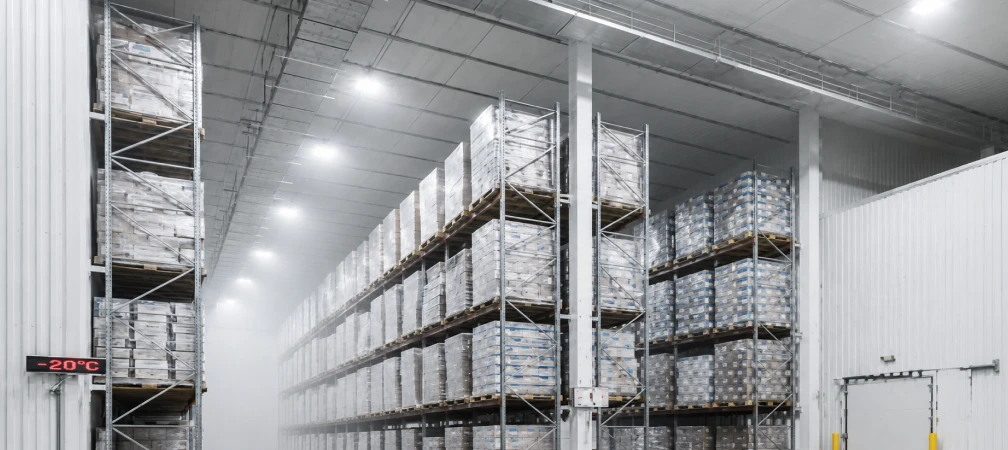
As we move through 2026, the weather in Ontario is no longer a simple conversation topic. It has become a critical business factor for the industrial refrigeration sector. From the busy shipping hubs in Toronto to the food processing plants in rural Ottawa, Climate change Ontario is forcing a total rethink of how we keep things cold.
When the ambient temperature outside rises, the hardware inside must work twice as hard. This creates a ripple effect that touches everything from your monthly power bill to the very lifespan of your expensive machinery. In this guide, we will break down exactly how these shifts are changing the efficiency of cold storage and what Ontario businesses can do to stay ahead of the heat.
The Science of Rising Ambient Temperature and System Load
The most direct impact of a warming world is the increase in the average ambient temperature. In Ontario, we are seeing more frequent heatwaves and summer nights that never truly cool down. For a temperature-controlled warehouse, this is a major problem.
The Struggle of the Condenser
In a standard industrial refrigeration cycle, the condenser’s job is to reject heat from the inside of the box into the outside air. However, if the outside air is already hot, the physics of heat transfer becomes much less efficient. The system experiences higher head pressures, meaning the compressors must consume significantly more electricity to achieve the same cooling result. This spike in energy consumption is the silent profit killer for many cold chain logistics companies.
Increased Heat Gain through the Building Envelope
A visa process is the series of steps a person follows to obtain official permission to enter and stay in another country for a specific purpose, such as tourism, study, work, or business.
New Refrigerant Regulations 2026 and Environmental Compliance
In 2026, the legal landscape for industrial refrigeration has shifted. Under the Kigali Amendment, Canada has moved into a strict phase-down of high-GWP hydrofluorocarbons.
Mandatory Leak Detection
Starting this year, refrigerant regulations 2026 require large systems to have automatic leak detection. Because leaking refrigerant is a major source of greenhouse gas emissions, the government is now holding facility managers more accountable. Using IoT sensors to monitor system integrity is no longer a luxury, it is a compliance necessity to avoid heavy fines.
Impact on Specific Industries in Ontario
While everyone feels the heat, certain sectors are facing unique challenges due to Climate change Ontario.
Pharmaceutical Storage
Modern medicine, including many vaccines, requires ultra-precise climate control. Even a minor fluctuation caused by a struggling cooling system can ruin millions of dollars in inventory. This has led many Ontario pharmaceutical hubs to invest in redundant HVAC and Refrigeration systems and high-performance thermal insulation to create a more resilient buffer against external weather extremes.
- Check Requirements
Review the country’s requirements, which may include a passport, photographs, financial documents, invitation letters, travel plans, or proof of accommodation. - Complete the Application
Fill out the visa application form accurately and provide the required information. - Pay the Visa Fee
Most visa applications require a non-refundable application fee. - Submit Documents
Upload documents online or submit them through the relevant embassy, consulate, or visa application center.
Traditional vs Climate Resilient Systems
Grid Stability and the Cost of Energy in Ontario
As Climate change Ontario drives more people to turn on their air conditioning, the electrical grid faces massive strain. For a large cold storage facility, this can lead to two major issues.
Peak Shaving and Demand Charges
Ontario utilities often charge more during “peak” hours. If your refrigeration system is fighting a $35^{\circ}C$ afternoon, you are likely hitting your highest energy use exactly when it is most expensive. Energy-efficient refrigeration allows you to “pre-cool” your facility during the night when power is cheaper, using the building itself as a thermal battery.
The Need for Energy Star Certification