Coldstorage - Cold Moose

The Impact of Climate Changes on Cold Storage Efficiency in Ontario, Canada

As we move through 2026, the weather in Ontario is no longer a simple conversation topic. It has become a critical business factor for the industrial refrigeration sector. From the busy shipping hubs in Toronto to the food processing plants in rural Ottawa, Climate change Ontario is forcing a total rethink of how we keep things cold.

When the ambient temperature outside rises, the hardware inside must work twice as hard. This creates a ripple effect that touches everything from your monthly power bill to the very lifespan of your expensive machinery. In this guide, we will break down exactly how these shifts are changing the efficiency of cold storage and what Ontario businesses can do to stay ahead of the heat.

The Science of Rising Ambient Temperature and System Load

The most direct impact of a warming world is the increase in the average ambient temperature. In Ontario, we are seeing more frequent heatwaves and summer nights that never truly cool down. For a temperature-controlled warehouse, this is a major problem.

The Struggle of the Condenser

In a standard industrial refrigeration cycle, the condenser’s job is to reject heat from the inside of the box into the outside air. However, if the outside air is already hot, the physics of heat transfer becomes much less efficient. The system experiences higher head pressures, meaning the compressors must consume significantly more electricity to achieve the same cooling result. This spike in energy consumption is the silent profit killer for many cold chain logistics companies.

Increased Heat Gain through the Building Envelope

No matter how good your thermal insulation is, heat always tries to move toward the cold. As Climate change Ontario drives up external temperatures, the “thermal gradient” becomes steeper. This leads to increased heat gain through walls, roofs, and loading docks. If your facility uses older cold room panels with a low R-value, your cooling units might be running 20% to 30% longer than they were designed to, leading to premature mechanical failure.

New Refrigerant Regulations 2026 and Environmental Compliance

In 2026, the legal landscape for industrial refrigeration has shifted. Under the Kigali Amendment, Canada has moved into a strict phase-down of high-GWP hydrofluorocarbons.

Moving to Low-GWP Refrigerants

Environment and Climate Change Canada (ECCC) now enforces strict limits on the types of gases used in new equipment. High Global Warming Potential (GWP) gases are being replaced by low-GWP refrigerants like $CO_2$ (R-744) and ammonia. While these gases are much better for the environment, they often require different pressures and specialized hardware.

Mandatory Leak Detection

Starting this year, refrigerant regulations 2026 require large systems to have automatic leak detection. Because leaking refrigerant is a major source of greenhouse gas emissions, the government is now holding facility managers more accountable. Using IoT sensors to monitor system integrity is no longer a luxury, it is a compliance necessity to avoid heavy fines.

Impact on Specific Industries in Ontario

While everyone feels the heat, certain sectors are facing unique challenges due to Climate change Ontario.

Food Distribution and Safety

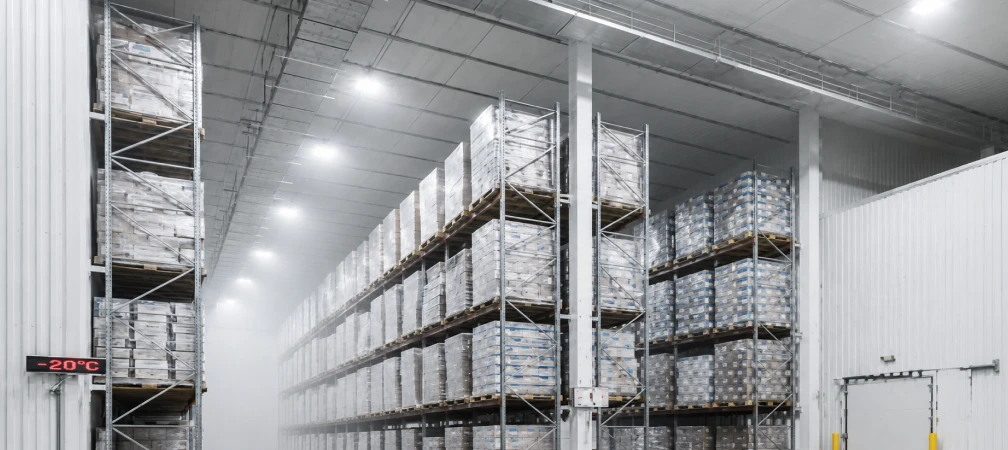
For the food industry, cold storage efficiency is about more than just money—it is about food safety standards. If a system struggles to maintain a steady $-20^{\circ}C$ during a record-breaking July heatwave, the risk of bacterial growth or ice crystal formation increases. Cold Moose, a leader in the Ontario market, has seen a surge in demand for blast freezers that can quickly stabilize product temperatures before they are moved into long-term storage.

Pharmaceutical Storage

Modern medicine, including many vaccines, requires ultra-precise climate control. Even a minor fluctuation caused by a struggling cooling system can ruin millions of dollars in inventory. This has led many Ontario pharmaceutical hubs to invest in redundant HVAC and Refrigeration systems and high-performance thermal insulation to create a more resilient buffer against external weather extremes.

Traditional vs Climate Resilient Systems

Feature Older Legacy Systems Modern Climate-Resilient Systems
Refrigerant Type High-GWP HFCs (R-404A) Low-GWP refrigerants (CO₂, NH₃)
Compressor Control Fixed Speed (High Waste) Variable Speed Drives (VSD)
Monitoring Manual / Reactive IoT Sensors (Proactive)
Energy Impact High Draw During Heatwaves Optimized for Peak Efficiency
Insulation Low / Standard R-Value High-Performance Thermal Insulation
Compliance Facing Phase-out Risks 2026 Refrigerant Regulations Compliant


Grid Stability and the Cost of Energy in Ontario

As Climate change Ontario drives more people to turn on their air conditioning, the electrical grid faces massive strain. For a large cold storage facility, this can lead to two major issues.

Peak Shaving and Demand Charges

Ontario utilities often charge more during “peak” hours. If your refrigeration system is fighting a $35^{\circ}C$ afternoon, you are likely hitting your highest energy use exactly when it is most expensive. Energy-efficient refrigeration allows you to “pre-cool” your facility during the night when power is cheaper, using the building itself as a thermal battery.

The Need for Energy Star Certification

Using equipment with Energy Star certification ensures that you are using the most efficient technology available. This not only lowers your carbon footprint but also helps maintain grid stability by reducing the overall demand for power across the province.

Conclusion

The impact of Climate change Ontario is undeniable. We are entering an era where cold storage efficiency is a competitive advantage. Those who continue to use old, high-GWP systems with poor insulation will find themselves struggling with skyrocketing operational costs and regulatory fines.

However, by embracing sustainable refrigeration, upgrading to low-GWP refrigerants, and utilizing smart monitoring, Ontario businesses can turn these challenges into opportunities. Companies like Cold Moose are proving that it is possible to maintain high food safety standards while reducing our impact on the planet. The climate is changing, and it is time for our refrigeration standards to change with it.

Frequently Asked Questions

1. How does climate change affect the lifespan of my refrigeration units?

When temperatures rise, the system runs longer and at higher pressures. This increases wear and tear on the compressor and fan motors, often shortening the expected life of the unit by several years if it is not properly maintained.

2. What are the new 2026 rules for refrigerants in Canada?

The main change is a strict limit on GWP levels for new equipment. Most new commercial systems must now use gases with a GWP below 1500, and there are new mandatory requirements for automatic leak detection systems.

3. Can better insulation really save me money?

Yes. Improving the R-value of your facility is like putting a better coat on your building. It reduces the amount of work the cooling system has to do, which directly lowers your monthly energy consumption.

4. What is Cold Moose’s role in the Ontario market?

Cold Moose is a specialist in providing energy-efficient cooling solutions. As a B Corp, they focus on sustainability and helping Ontario businesses transition to low-GWP refrigerants and smart technology.

5. Why are IoT sensors becoming so popular?

IoT sensors allow facility managers to monitor their systems from a smartphone. They can detect small problems before they become massive, expensive failures, which is vital during extreme weather events.

How Cold Moose Designs Energy-Efficient Cold Storage for Food Distribution in Canada

In the world of food distribution, staying cool isn’t just a preference, it’s a massive expense. For companies across Canada, from the busy docks of Ontario to the freezing winters of Quebec, managing operating costs while maintaining food safety is a daily challenge.

Cold Moose has emerged as a leader in this space by rethinking how industrial refrigeration works. As a Certified B Corp, they don’t just build boxes, they engineer high-performance cold storage that helps businesses thrive while reducing their carbon footprint.

In this guide, we will dive deep into how Cold Moose uses advanced thermal insulation, smart monitoring and modular design to set a new standard for cold chain logistics in Canada.

The Foundation – Engineering for Maximum Thermal Efficiency

The first step in any energy-efficient cold storage project is stopping the heat from getting in. In Canada, where summer temperatures can soar while winter air is bone-chillingly dry, the “envelope” of the building is critical.

The Power of High R-Value Insulation

Cold Moose utilizes specialized camlock panels designed for a perfect seal. These panels provide a high R-value, which is a measure of how well the material resists heat flow. By using superior thermal insulation, Cold Moose ensures that the walk-in coolers and blast freezers stay cold with minimal effort from the HVAC/R systems.

Modular Design for Growing Businesses

One of the unique features of Cold Moose is their modular design. Unlike traditional permanent structures, these systems are scalable. If a food distribution center needs to grow, they can add more panels without tearing down the existing infrastructure. This reduces waste and ensures the cooling system is always perfectly sized for the current inventory, preventing energy waste on empty space.

Intelligent Cooling – The Role of IoT and Smart Monitoring

Modern industrial refrigeration is no longer just about compressors and fans; it is about data. Cold Moose integrates smart monitoring into every project.

Real-Time Alerts and IoT Sensors

By installing IoT sensors throughout the temperature-controlled warehouse, Cold Moose gives operators a 24/7 view of their facility. These sensors track:

  • Temperature fluctuations.
  • Humidity levels.
  • Door opening frequency.
  • Power surges.

If a door is left open or a KeepRite compressor starts to underperform, the system sends an instant alert. This proactive approach prevents perishable goods from spoiling and ensures the system doesn’t overwork itself to compensate for a minor leak.

ERP Integration

For large-scale food distribution, Cold Moose systems can link directly to a company’s ERP integration software. This allows for automated climate adjustments based on the volume of inventory moving through the facility, further boosting operational efficiency.

Advanced Mechanical Systems – Cutting Power Use

The heart of any cold storage facility is the refrigeration plant. Cold Moose offers high-efficiency mechanical components designed to reduce power consumption. These systems ensure reliable, energy-saving performance for your cold storage needs.

Variable Speed Drives (VSDs)

Traditional motors are either “on” or “off.” Cold Moose uses variable speed drives that allow motors to run at the exact speed needed to maintain the set temperature. This single feature can reduce energy use by up to 30%, as the system doesn’t have to “cycle” on and off constantly, which is when the most power is consumed.

Low GWP Refrigerants

In line with their B Corp commitment, Cold Moose is a pioneer in using refrigerants with low Global Warming Potential (GWP). They are moving toward CO2 cooling and other natural alternatives that are not only better for the environment but also highly efficient at absorbing heat in large industrial refrigeration setups.

Comparing the Difference – Traditional vs. Cold Moose


Feature Traditional Cold Storage Cold Moose Engineered Solution
Insulation Type Standard Spray Foam / Fiberglass High-Density Camlock Panels
Air Leakage Common (around doors/seals) Zero-Leak Thermal Insulation
Compressor Tech Fixed Speed (On/Off) Variable Speed Drives
Monitoring Manual Thermometers IoT Sensors & Smart Monitoring
Refrigerant High GWP Refrigerants (HFCs) Natural & Low GWP Refrigerants
Regulatory Status Basic Compliance Energy Star & NRCan Compliant


Actionable Insights for Food Distributors

If you are running a food distribution business in Canada, here are three steps you can take today to improve your energy-efficient cold storage performance:

  1. Audit Your Door Seals: Even the best walk-in coolers lose efficiency if the seals are cracked. Cold Moose offers heavy-duty, industrial-grade door systems designed for high-traffic food distribution centers.
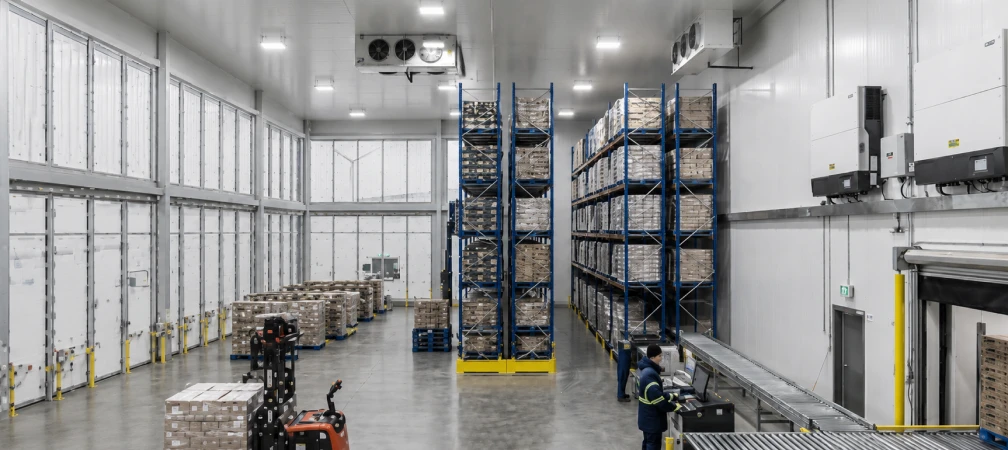
  2. Optimize Your Racking: By using Cold Moose’s vertical space optimization and high-density racking, you can improve airflow around your perishable goods, ensuring the cold air reaches every pallet evenly.
  3. Invest in Preventive Maintenance: Industrial refrigeration systems are like high-performance cars. Regular check-ups on your HVAC and Refrigeration systems prevent small issues from becoming expensive failures that lead to high operating costs.

Industries that trust Cold Moose for Efficiency

Cold chain logistics is not a “one-size-fits-all” service. Many industries rely on Cold Moose to ensure their products stay safe, effective and compliant. Maintaining strict temperature controls is vital to preventing spoilage and damage across these specialized sectors.

Food and Beverage

The food distribution sector is the primary user of cold chain logistics. From dairy processing in rural Canada to urban supermarkets, Cold Moose provides the walk-in coolers and blast freezers necessary to keep food fresh and safe for consumption from the farm to the table. This sector demands the highest level of food safety and energy management.

Pharmaceutical and Life Sciences

To maintain their life-saving effectiveness, medicines and vaccines must stay at highly specific temperatures. Cold Moose designs medical-grade energy-efficient cold storage equipped with precise IoT sensors. This ensures that pharmaceutical products remain within a narrow temperature window, preventing the degradation of sensitive biologics.

Chemical and Hazardous Materials

Certain chemicals require strict temperature control to prevent volatile reactions that could make them dangerous or useless. Cold Moose engineers systems for hazardous environments (C1, D1), providing stable industrial refrigeration that mitigates risk while maintaining operational efficiency.

Military and Defense

The military uses cold chain logistics to transport temperature-sensitive supplies, such as medical kits and specialty foods, to various global and domestic locations. Cold Moose’s modular design is perfect for these applications, offering rapid deployment and high durability in the most challenging terrains.

The Canadian Advantage – Climate-Specific Design Solutions

Building energy-efficient cold storage in Canada requires a different mindset than in warmer climates. Cold Moose understands that a warehouse in Ontario faces different challenges than one in the Maritimes.

  • Heat Recovery Systems: In the winter, the heat removed from the cold room can be “recycled” to heat the office spaces or the loading docks.
  • NRCan Compliance: Cold Moose ensures all equipment meets the latest Natural Resources Canada (NRCan) standards, which are among the toughest in the world.
  • Sustainability & Brand: Being a B Corp, Cold Moose helps Canadian companies meet their own ESG (Environmental, Social, and Governance) goals, which is increasingly important for attracting modern consumers.

Why Choose Cold Moose for Cold Storage Solutions?

As we look toward the future of food distribution in Canada, efficiency is no longer optional, it is a survival requirement. Cold Moose has proven that by combining modular design, smart monitoring, and a deep commitment to sustainability, it is possible to run a high-capacity temperature-controlled warehouse that is both profitable and planet-friendly.

Whether you are a local grocery supplier or a national food distribution giant, investing in energy-efficient cold storage is the smartest move you can make this year.

Frequently Asked Questions

1. How much can I save with energy-efficient cold storage?

By switching to a modern Cold Moose system with variable speed drives and superior thermal insulation, most food distribution centers see a reduction in electricity bills by 20% to 40%. Over 10 years, this often pays for the entire cost of the equipment.

2. What is the best R-value for a Canadian walk-in cooler?

For the Canadian climate, Cold Moose typically recommends a minimum R-value of R-32 for coolers and R-48 for freezers. Using high-density camlock panels is the most effective way to reach these levels without creating overly thick walls.

3. Does Cold Moose offer 24/7 support?

Yes. Because food safety and the cold chain never sleep, Cold Moose provides 24/7 emergency repair and smart monitoring alerts to ensure that your perishable goods are always protected.

4. Are natural refrigerants like CO2 safe for food storage?

Absolutely. In fact, CO2 cooling is becoming the gold standard for energy-efficient cold storage because it is non-toxic, non-flammable, and has a very low carbon footprint. It is much safer for the environment than older chemical refrigerants.

5. Can I upgrade my existing warehouse to be more energy-efficient?

Yes! Cold Moose offers retrofit services where they can install IoT sensors, upgrade your HVAC/R systems to use variable speed drives, and replace old doors with high-efficiency models to lower your operating costs.

Cold Storage and Refrigeration Systems | Cold Moose
Privacy Overview

This website uses cookies so that we can provide you with the best user experience possible. Cookie information is stored in your browser and performs functions such as recognising you when you return to our website and helping our team to understand which sections of the website you find most interesting and useful.