
How Energy-Efficient Refrigeration Reduce Energy Costs & Carbon Emissions in Canada
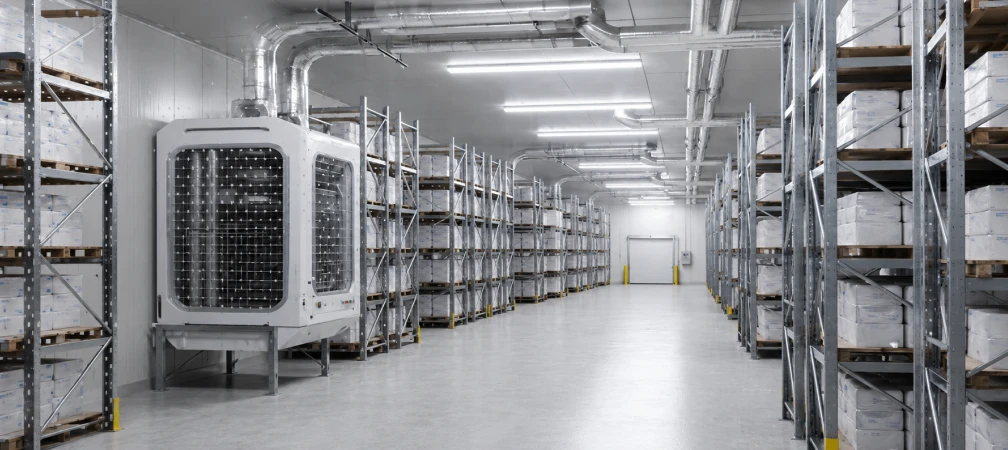
In today’s world, energy efficiency is no longer a luxury, it’s a necessity. For businesses relying on storage and commercial refrigeration, investing in energy-efficient refrigeration systems can significantly reduce operational costs while supporting sustainability goals. In Canada, where energy consumption in cold climates is high and environmental regulations are stringent, upgrading to energy-efficient refrigeration is a smart move for companies in the food, beverage, pharmaceutical, and logistics sectors.
This comprehensive guide explores the benefits, technology, and implementation strategies for energy-efficient refrigeration in Canada, providing practical insights for businesses looking to reduce energy costs, lower carbon emissions, and improve system reliability.
What is Refrigeration?
Energy-efficient refrigeration refers to refrigeration systems designed to use minimal energy while maintaining consistent cooling performance. Unlike traditional refrigeration units that consume significant electricity and may release harmful refrigerants, energy-efficient systems leverage advanced technologies and optimized components to deliver high performance at reduced energy costs.
These systems are widely used in commercial refrigeration, industrial cold storage, and warehouse environments. They are particularly beneficial for Canadian businesses operating in regions with extreme temperatures, where conventional refrigeration systems often lead to high operational expenses.
By adopting enery-efficient systems, businesses not only improve their bottom line but also contribute to Canada’s sustainability and carbon reduction initiatives.
Why Energy-Efficient Refrigeration Matters in Canada?
Canada has a unique energy and environmental landscape that makes energy-efficient refrigeration highly relevant:
1. High Energy Costs in Cold Climates
Cold Canadian winters increase the energy required for refrigeration systems to maintain optimal temperatures. Energy-efficient refrigeration minimizes energy consumption, translating into substantial cost savings for businesses.
2. Carbon Emission Reduction Goals
Canada is committed to reducing greenhouse gas emissions in line with global climate agreements. Upgrading to energy-efficient refrigeration systems can directly support these goals by reducing electricity consumption and minimizing refrigerant-related emissions.
- Biometrics & Interview
Depending on the country and visa type, you may need to provide fingerprints, a photograph, and/or attend an interview. - Application Review
Immigration officials review your application and supporting documents. They may request additional information. - Decision
The application may be approved, refused, or require further processing. - Receive the Visa
If approved, the visa may be placed in your passport or issued electronically, depending on the destination.
How Energy-Efficient Refrigeration Reduces Carbon Emissions
Energy-efficient refrigeration contributes to carbon emission reduction in three main ways:
- Reduced Electricity Demand – Less energy consumption translates into lower carbon emissions from power generation.
- Cleaner Refrigerants – Modern refrigerants have lower GWP, minimizing their environmental impact.
- Smart Energy Usage – Automation and IoT monitoring optimize cooling cycles, reducing unnecessary energy use.
Businesses adopting these systems can achieve measurable environmental benefits, contributing to Canada’s sustainable cold chain initiatives.
Key Components of Energy-Efficient Refrigeration Systems
Energy-efficient refrigeration systems are built with technology designed to optimize energy use. Here are the core components:
High-Efficiency Compressors
Modern variable speed compressors adjust cooling output based on demand, reducing energy consumption during off-peak times. These compressors are more efficient than traditional fixed-speed units, especially in commercial and industrial refrigeration systems.
Advanced Refrigerants (CO₂ & Ammonia)
Energy-efficient refrigeration systems often use low-GWP (Global Warming Potential) refrigerants such as CO₂ or ammonia. These refrigerants reduce environmental impact while improving energy efficiency. Low-carbon refrigeration solutions are especially important for businesses aiming to reduce carbon emissions.
Smart Controls & Automation
IoT-based refrigeration monitoring and smart controls allow businesses to optimize energy use by:
- Biometrics & Interview
Depending on the country and visa type, you may need to provide fingerprints, a photograph, and/or attend an interview. - Application Review
Immigration officials review your application and supporting documents. They may request additional information. - Decision
The application may be approved, refused, or require further processing. - Receive the Visa
If approved, the visa may be placed in your passport or issued electronically, depending on the destination.
Energy monitoring systems can provide actionable insights for further reducing operational costs.
Improved Insulation & Heat Recovery
Efficient insulation reduces thermal loss, keeping cold storage spaces at the required temperature with less energy. Some systems also incorporate heat recovery solutions, reusing waste heat to improve overall energy efficiency.
Benefits of Energy-Efficient Refrigeration Systems
Reduced Energy Costs
Energy-efficient refrigeration systems can significantly reduce electricity bills. Businesses can achieve 20–40% savings in energy costs depending on system design and usage.
Lower Carbon Emissions
By consuming less electricity and using eco-friendly refrigerants, these systems reduce greenhouse gas emissions, aligning with Canada’s carbon reduction initiatives.
Improved System Reliability
Energy-efficient systems often require less maintenance and experience fewer breakdowns, leading to longer equipment lifespan and reduced downtime.
Regulatory & Compliance Advantages
Energy-efficient refrigeration helps businesses comply with:
- Biometrics & Interview
Depending on the country and visa type, you may need to provide fingerprints, a photograph, and/or attend an interview. - Application Review
Immigration officials review your application and supporting documents. They may request additional information. - Decision
The application may be approved, refused, or require further processing. - Receive the Visa
If approved, the visa may be placed in your passport or issued electronically, depending on the destination.