What is the Difference Between a Refrigeration System and an HVAC System?
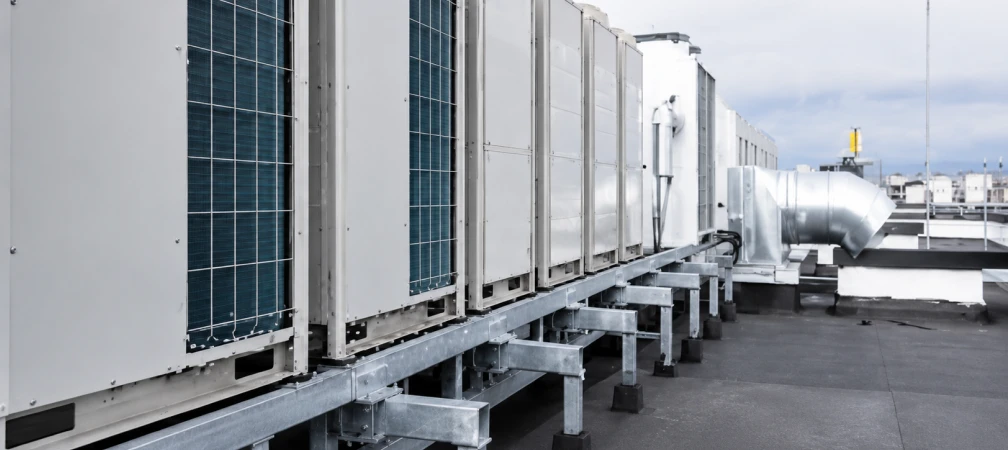
When those who own a business or manage a certain facility are to place cooling infrastructure, the most usual question is, what is the difference between a refrigeration system and an HVAC system? On the surface, the two technologies are identical. They both make things cold, they both use fans, and they both rely on the principles of thermodynamics. The two different areas are, however, not to be confused since this may result in catastrophic equipment failure, product waste, or a waste of energy through power usage.
Even while HVAC systems and refrigeration units both use the same vapor compression cycle, they are quite different in terms of their functions, technical difficulties, and operating factors. One is made to keep people comfortable and the air inside clean, while the other is made to process cooling and protect products under harsh situations.
We will break down the HVAC vs. refrigeration controversy in this in-depth blog, looking at the mechanical differences, chemical variances, and real-world uses of each. If you manage a commercial kitchen, a data center, or a logistics warehouse, it is important to know the distinctions between them in order to be successful.
Core Concepts – Defining The Systems
What is an HVAC System?
HVAC stands for Heating, Ventilation, and Air Conditioning. It is an overarching title that is applied to explain systems that are there to control the environment inside a building on behalf of human occupation.
The primary goal of commercial HVAC is “comfort cooling.” This involves:
- Keeping the temperature between 68°F and 76°F.
- Controlling the humidity to deter molds but not to allow things to be too hot.
- Ensuring proper ventilation by exchanging indoor air with fresh outdoor air.
HVAC systems are integrated into the structure of a building, often utilizing ductwork, air handlers, and thermostats to create a uniform climate.
What is a Refrigeration System?
Refrigeration is the process of removing heat from an enclosed space or substance and transferring it to a place where it is not objectionable. Unlike HVAC, the goal here is not human comfort; it is preservation and process control.
Industrial refrigeration and commercial refrigeration focus on holding specific temperatures required to slow down bacterial growth in food, preserve unstable chemicals, or keep servers cool.
Key applications include:
- Walk-in coolersand freezers for restaurants.
- Cold storagewarehouses for logistics.
- Display cases in supermarkets.
- Cryogenicfreezing for medical applications.
Science of Cooling – How They Work
Both systems rely on the Second Law of Thermodynamics, which states that heat naturally flows from a warmer object to a cooler object. In order to turn this natural movement (heat leaving a cold room and going to a hot outside weather condition), one will need mechanical energy.
The Shared Mechanism: The Vapor Compression Cycle
Whether it is a window AC unit or a massive industrial chiller, both systems utilize the refrigeration cycle. This cycle involves four main components circulating a chemical fluid known as a refrigerant:
- The Compressor:The “heart” of the system. It pumps the refrigerant and increases its pressure and temperature.
- The Condenser:This coil transfers the heat drawn out of the interior of the building/fridge to the exterior environment. The refrigerant condenses from a gas back into a liquid here.
- The Expansion Valve:A metering device that drops the pressure of the liquid refrigerant, causing it to cool drastically.
- The Evaporator Coil:It is found within the region to be chilled. The cold refrigerant absorbs heat from the air, turning back into a gas, and the cycle repeats.
Where Divergence Occurs
The cycle is the same; however, depending on the system design, it varies based on the load.
- HVAC systemshandle “sensible heat” (changing temperature) and “latent heat” (removing moisture), tailored for humans.
- Refrigeration systemsmust handle massive “pull-down loads” (cooling hot food rapidly) and maintain temperatures far below freezing, requiring more robust compressors and specialized defrost cycles.
Key Differences Between HVAC and Refrigeration
-
1. Purpose and Application
The most significant difference between a refrigeration system and an HVAC system is the end-user.
- HVAC:
Occupant comfort is the priority. When an office AC fails, people become uncomfortable and productivity drops, but no physical assets are lost. The system cycles on and off to maintain an average air temperature. - Refrigeration:
Asset protection is the priority. If a supermarket refrigeration system fails, inventory worth thousands of dollars can spoil within hours. These systems are mission-critical and run almost continuously to counter heat infiltration and warm product loads.
- HVAC:
-
2. Temperature Ranges
This is the most quantifiable difference.
- HVAC Standards:
Typically operates within a narrow range, roughly 68°F–78°F. Equipment is optimized for this 10-degree comfort band. - Refrigeration Standards: Operates across a wide and extreme range:
- High-temp refrigeration: 45°F–55°F (Florists, prep rooms)
- Medium-temp refrigeration: 32°F–40°F (Dairy, beverages, fresh meat)
- Low-temp refrigeration: 0°F to -20°F (Frozen foods, ice cream)
- Ultra-low temperature: -50°C and below (Pharmaceuticals, vaccines)
Because refrigeration systems operate at such low temperatures, they must deal with ice formation—something HVAC systems rarely face.
- HVAC Standards:
-
3. Humidity and Defrosting
In HVAC systems, the evaporator coil cools air but usually stays above freezing.Moisture condenses and drains away, which dehumidifies the space. In refrigeration, coils operate well below 32°F. Moisture freezes on the coil, forming ice that restricts airflow and can damage the compressor. Commercial refrigeration systems therefore require active defrost methods such as electric heaters or hot-gas defrost. HVAC systems generally do not.
-
4. Refrigerants and Fluids
- HVAC:
Commonly uses R-410A or R-32, designed for safety and efficiency in residential and commercial environments. - Industrial Refrigeration:
Often uses ammonia (R-717) or carbon dioxide (CO₂). Ammonia is highly efficient and has zero Global Warming Potential, but requires strict safety controls due to toxicity.
- HVAC:
-
5. Acceptance and Installation
Installing an HVAC system often involves extensive ductwork, zoning dampers, and balancing air pressure between rooms. It is primarily a challenge of airflow distribution.
Refrigeration installation focuses on insulation integrity (R-value), piping precision to prevent leaks of high-pressure refrigerants, and redundancy. Walk-in freezers rely on airtight construction—once the seal is compromised, the system performance rapidly degrades.
HVAC Vs Refrigeration – Detailed Comparison Table
To visualize the difference between HVAC and refrigeration, refer to the table below:
| Feature | HVAC System | Refrigeration System |
| Primary Goal | Human Comfort & Air Quality | Product Preservation & Process Cooling |
| Temp Range | Narrow (68°F – 78°F) | Broad & Extreme (-40°F – 55°F) |
| Refrigerant Type | R-410A, R-32 (Safety focus) | Ammonia, CO2, R-404A (Efficiency focus) |
| Defrosting | Passive (Condensate drain) | Active (Electric or Hot Gas Defrost) |
| Air Distribution | Ductwork & Vents | Fan Coils & Direct Blowers |
| Criticality | High (Comfort) | Critical (Loss of Assets) |
| Ventilation | Integrated (Fresh air intake) | None (Sealed environment) |
Why the Confusion? Integrated Systems
The line between the two is blurring due to modern energy-efficient technologies.
The Heat Pump Anomaly
A heat pump is technically an HVAC device that can reverse its cycle to provide heating. However, the technology is identical to refrigeration.
Supermarket Rack Systems
In modern grocery stores, you might find a massive “rack” of compressors in the back. This single system might handle the HVAC for the store floor and the refrigeration for the display cases. This assists in the recovery of heat, where the waste heat in the fridges is used to heat the store during winter. This integration requires technicians who are experts in both HVAC and refrigeration Services.
Maintenance – A Critical Difference
The difference in maintenance protocols in these systems is very high.
HVAC Maintenance:
- Replacing air filters (important to IAQ).
- Cleaning condenser coils.
- Checking thermostat
- Ensuring ductworkis sealed.
Refrigeration Maintenance:
- Checking door gaskets(air leaks are fatal to freezers).
- Verifying defrost cycles and timers.
- Monitor compressor oil levels and pressures strictly.
- Cleaning evaporator fans prone to ice buildup.
Neglecting refrigeration maintenance leads to “iced up” coils, which causes the compressor to run nonstop until it burns out, a costly repair known in the industry as a “compressor change-out.”
Why Choose Cold Moose for HVAC and Refrigeration Services?
When bridging the gap between standard HVAC needs and critical commercial refrigeration, you need a partner who understands the engineering behind both human comfort and asset protection. This is where Cold Moose is different.
Cold Moose is the top cold storage production and service provider with its headquarters in Kitchener, Ontario, that proposes an end-to-end experience that removes friction between designing, manufacturing, and installation.
-
1. Manufacturer-Direct Expertise
Cold Moose manufactures and constructs its own custom walk-in coolers, freezers, and combo units, unlike general contractors who simply resell equipment. This manufacturer-direct approach ensures cooling solutions tailored precisely to your floor plan and thermal load—without markup or delays caused by intermediaries.
-
2. Energy-Efficient Engineering
Cold Moose prioritizes energy conservation, recognizing that electricity is a major operational cost for businesses. Their solutions reduce carbon footprint and monthly utility bills through high R-value insulation in cold rooms and smart monitoring systems. As a Certified B Corporation, Cold Moose is also committed to long-term sustainability.
Actionable Insights for Business Owners
When you are planning a facility where both are necessary, then this is what you need to know:
Do not mix contractors: A residential AC technician is not qualified to fix a restaurant walk-in cooler. Always hire a certified commercial refrigeration expert for cold storage.
Focus on Insulation: For refrigeration, the “envelope” (walls, floor, ceiling) is just as important as the mechanical system. The insulation is poor, and this will compel the system to strain.
Energy Management: Both systems are energy guzzlers. Invest in Energy Management Systems (EMS) that monitor temperatusres and alert you to failures before a product is lost.
Sizing Matters: Reason is the oversizing of an HVAC system, resulting in a humidity problem (clammy air). Oversizing a refrigeration unit leads to “short cycling,” which wears out the motor. It is required that the load be calculated precisely.
Conclusion
While the difference between a refrigeration system and an HVAC system might seem technical, it ultimately comes down to the mission; HVAC protects people, while refrigeration protects products.
Knowledge of this difference would make you invest in the right equipment, employ the right mechanical contractors, and use the correct maintenance schedules. Whether you are installing a new central air system or a blast freezer, recognizing the unique demands of cooling loads, humidity control, and thermodynamics will save you money and prevent operational disasters in the long run.
FAQs
Q1. Does a refrigerator qualify as an HVAC system?
No. Although they both use the same physics, a refrigerator is a closed system, which preserves food in an insulated box. It does not allow air in and out or control the air quality for people, which are also two significant aspects of HVAC.
Q2: Can an air conditioner cool off a walk-in cooler?
It is coercible, but this is not a good idea. The room temperatures could be brought to about 60 °C by the air conditioner. When you want it to be colder (e.g. 40 40°F), the fins will eventually turn into ice as it is too close, and there is no defrost mode on the box. It will also remove too much moisture from the air that can cause meat and vegetables to spoil.
Q3. Moreover, which system is more consumptive of power?
Commercial refrigeration uses more energy per square foot since it runs all the time and has to deal with a considerably bigger temperature differential (for example, it has to keep the temperature at 0°F while it is 90°F outside). When the facility is vacant or the temperature is right, HVAC systems turn off.
Q4. Is the license for HVAC and refrigeration technicians the same?
Because it deals with refrigerants, the basic license is the same in many places (such as the EPA 608 Certification in the US). However, since industrial refrigeration uses dangerous chemicals like ammonia and high-pressure systems, it typically needs additional certifications like RETA.
Q5. What is the distinction between an AC and a chiller?
A chiller is a kind of refrigeration unit that cools water or a combination of water and glycol. Then, this cold water is delivered to air handlers to cool a building (HVAC application) or to equipment to chill industrial operations (Refrigeration application). Therefore, both would be suitable with a chiller.