
Difference Between Walk-in Coolers & Freezers – Best Use Cases
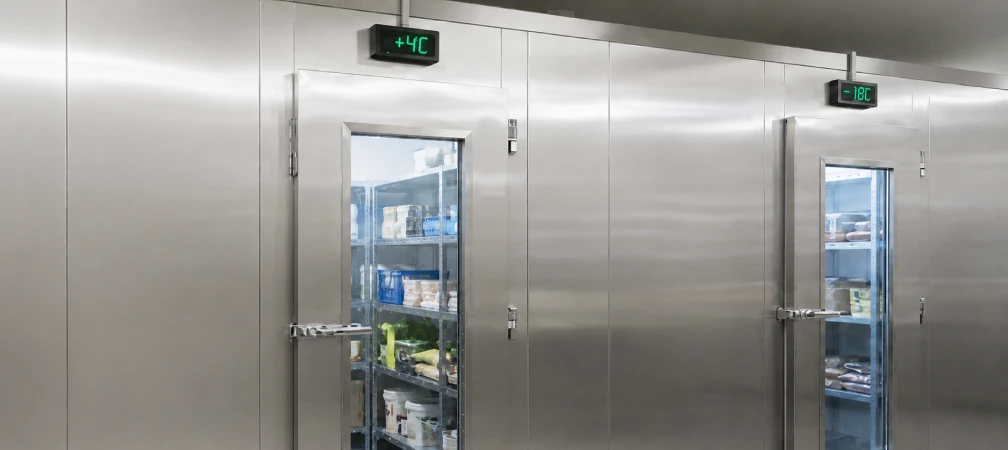
In the fast-paced world of food service, pharmaceuticals, and floral industries, refrigeration equipment is the heart of your operation. When that heart stops functioning efficiently, profit margins can deteriorate rapidly—quite literally. For business owners, the choice often comes down to two dominant refrigeration systems: Coolers vs Freezers. Although they may appear virtually indistinguishable from the exterior, typically consisting of large insulated enclosures with heavy-duty doors, their internal engineering, thermal requirements, and operational characteristics differ substantially.
When working with professional refrigeration services, selecting the appropriate system becomes even more consequential. Choosing an unsuitable unit or misunderstanding its intended application can result in compromised inventory, regulatory complications, excessive energy consumption, and unnecessary operational expenditure.
This guide provides an expert-level examination of the distinctions between these two refrigeration systems, helping commercial operators make a more informed decision based on their storage requirements, inventory characteristics, and long-term operational objectives.
Defining the Contenders
Before examining the technical disparities, it is important to establish what these refrigeration systems actually are and the fundamental purposes they serve.
What is a Cooler?
A cooler is essentially an enlarged commercial interpretation of the conventional refrigerator found in a residential kitchen. It is a sealed and thermally insulated storage environment engineered to preserve perishable products under refrigerated conditions without allowing them to freeze.
Coolers are predominantly intended for short- to medium-term storage. By maintaining a consistently chilled environment, they retard microbial proliferation and help preserve the freshness, quality, texture, and overall integrity of products intended for consumption or use within relatively short periods.
What is a Freezer?
A freezer is a high-capacity refrigeration system engineered to maintain substantially colder conditions than a cooler. Its primary function is to freeze the moisture contained within products, significantly slowing biological and chemical processes that contribute to deterioration.
Freezers are particularly valuable for long-term inventory preservation. They enable businesses to purchase products in larger quantities, capitalize on favorable purchasing conditions, reduce product wastage, and maintain reserves for extended periods.
The Core Differences — A Deep Dive
This is where the engineering characteristics of the two systems become distinctly different. The distinction is not merely a matter of adjusting a thermostat; the insulation, refrigeration components, flooring, moisture management, and overall construction are designed according to the intended operating environment.
Temperature Control and Refrigeration Performance
The most fundamental distinction between a cooler and a freezer is their respective operating environment and refrigeration requirements.
- Coolers: Designed to preserve products in a chilled environment while preventing them from freezing. They are particularly suitable for products such as dairy, fresh produce, prepared foods, beverages, and other highly perishable inventory.
- Freezers: Engineered to maintain substantially colder conditions that allow products to remain frozen for extended periods. Certain specialized applications may demand exceptionally aggressive refrigeration performance and dedicated compressor configurations.
Expert Insight: A cooler should never be treated as a substitute for a freezer simply by manipulating its thermostat. The compressor, evaporator, insulation assembly, controls, and overall thermal architecture are engineered for a specific refrigeration load. Attempting to operate a cooler beyond its intended parameters can place excessive strain on the refrigeration system and potentially result in premature component failure.